A Sudden Turn of Events Mid-Flight
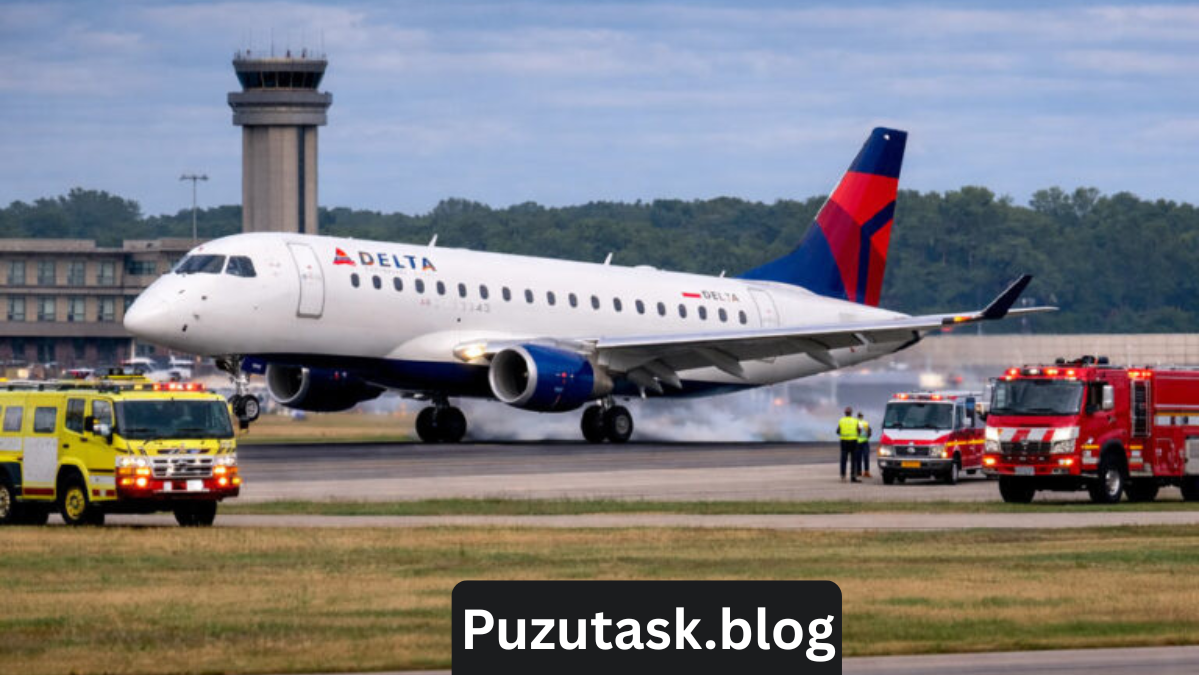
Delta Connection DL3543 Emergency Landing Air travel is generally one of the safest modes of transportation, but every now and then, incidents remind us that aviation still demands constant vigilance. The recent emergency landing involving Delta Connection flight DL3543 is one such event that caught public attention and sparked widespread discussion. While passengers boarded the aircraft expecting a routine journey, the situation quickly shifted into something far more serious.
Reports indicate that the flight was forced to divert and execute an emergency landing due to an unexpected technical issue. Although details initially emerged slowly, what became clear was that the flight crew acted decisively and followed established safety protocols. Situations like these are rare, but when they occur, they demonstrate how critical preparation and training are in aviation.
From a passenger’s perspective, moments like these can feel alarming. However, aviation systems are designed with multiple layers of redundancy and safety checks. Even when something goes wrong, there are structured procedures in place to ensure that risks are minimized. In the case of DL3543, the outcome reinforces just how effective these systems can be.
Understanding What Triggered the Emergency
While official investigations may take time to conclude, preliminary information suggests that the emergency landing was prompted by a mechanical irregularity. These can range from engine performance concerns to hydraulic or electrical system warnings. Modern aircraft are equipped with highly sensitive monitoring systems that alert pilots at the earliest sign of trouble.
In many cases, what triggers an emergency landing is not necessarily a catastrophic failure but rather a precautionary measure. Pilots are trained to err on the side of safety. Delta Connection DL3543 Emergency Landing If an indicator suggests a potential issue—even if it has not escalated—diverting the aircraft is often the safest course of action. This proactive approach significantly reduces the likelihood of more serious complications.
It’s also important to recognize that the term “emergency landing” can sound more dramatic than the situation actually is. In aviation terminology, it simply means that the flight is given priority handling and is diverted to the nearest suitable airport. The goal is always to ensure the safety of everyone on board, even if the issue turns out to be minor in hindsight.
The Role of the Flight Crew in Crisis Management Delta Connection DL3543 Emergency Landing
One of the most reassuring aspects of the DL3543 incident is how effectively the flight crew managed the situation. Pilots undergo rigorous training that includes simulator sessions Delta Connection DL3543 Emergency Landing replicating a wide range of emergency scenarios. This ensures that when real-life situations arise, their responses are almost instinctive.
Communication is a key part of crisis management. During such events, pilots must coordinate with air traffic control, communicate with cabin crew, and keep passengers informed—all while managing the aircraft. This multitasking requires not only technical skill but also composure under pressure. In the case of DL3543, early reports suggest that the crew handled these responsibilities with professionalism.
Cabin crew members also play a crucial role. They are trained to manage passenger safety, provide instructions, and maintain calm within the cabin. Their ability to keep passengers composed can significantly influence how smoothly an emergency situation unfolds. The combined efforts of cockpit and cabin crews ensure that even unexpected events are handled in a structured and controlled manner.
Passenger Experience During the Incident
For passengers, an emergency landing can be a nerve-wracking experience. Even with reassurances from the crew, the knowledge that something is not going as planned can create anxiety. However, many passengers from flights like DL3543 often report that the situation felt more controlled than they initially expected.
Typically, passengers may notice changes such as a sudden descent, altered flight path, or announcements from the captain. While these can raise concern, they are all part of standard operating procedures. In most cases, the landing itself is smooth, thanks to the skill of the pilots and the preparedness of the ground teams.
After landing, passengers are usually assisted by airline staff and, Delta Connection DL3543 Emergency Landing if necessary, emergency personnel. Airlines also work to rebook travelers and minimize disruptions to their plans. While inconvenient, these follow-up measures are part of a broader commitment to passenger care and safety.
How Airlines Handle Emergencies Behind the Scenes Delta Connection DL3543 Emergency Landing
What passengers see during an emergency is only part of the story. Behind the scenes, airlines have detailed protocols for handling such situations. Operations teams monitorDelta Connection DL3543 Emergency Landing flights in real time and are ready to coordinate with airports, maintenance crews, and emergency services when needed.
When a flight like DL3543 declares an emergency, the destination airport prepares immediately. This can include alerting fire and rescue teams, clearing runways, and ensuring that medical assistance is available if required. These preparations happen quickly and efficiently, often without passengers even realizing the extent of the coordination involved.
After the incident, airlines conduct thorough inspections of the aircraft and review all data related to the event. This includes analyzing flight recorder information and maintenance logs. The goal is not only to identify the cause but also to prevent similar incidents in the future. Continuous improvement is a cornerstone of aviation safety.
What This Incident Teaches About Aviation Safety
The emergency landing of DL3543 highlights an important reality: safety in aviation is not about eliminating all risks but about managing them effectively. Every system, procedure, and training program is designed with this principle in mind. When something unexpected occurs, the industry’s layered approach ensures that there are multiple safeguards in place.
One key takeaway is the importance of early detection. Modern aircraft systems are incredibly advanced and can identify potential issues long before they become critical. This allows pilots to take action while the situation is still manageable. In many ways, incidents like this demonstrate the success of these technologies rather than their failure.
Another lesson is the value of human expertise. Technology plays a vital role, but it is ultimately the training and judgment of aviation professionals that make the difference. From pilots to ground crews, every individual involved contributes to maintaining the high safety standards that passengers rely on.
Final Thoughts on the DL3543 Emergency Landing Delta Connection DL3543 Emergency Landing
While the phrase “emergency landing” can understandably cause concern, the incident involving Delta Connection DL3543 ultimately serves as a reminder of how robust aviation safety systems are. What could have been a dangerous situation was handled with precision and care, resulting in a safe outcome for everyone involved.
Incidents like these often attract attention, but they also provide valuable Delta Connection DL3543 Emergency Landing insights into how the aviation industry operates under pressure. They show that safety is not just a priority—it is a deeply embedded principle supported by technology, training, and teamwork.
For travelers, the takeaway is reassuring. Even when things don’t go exactly as planned, there is an entire system working tirelessly to ensure a safe journey. And as the DL3543 case demonstrates, that system works remarkably well when it matters most.