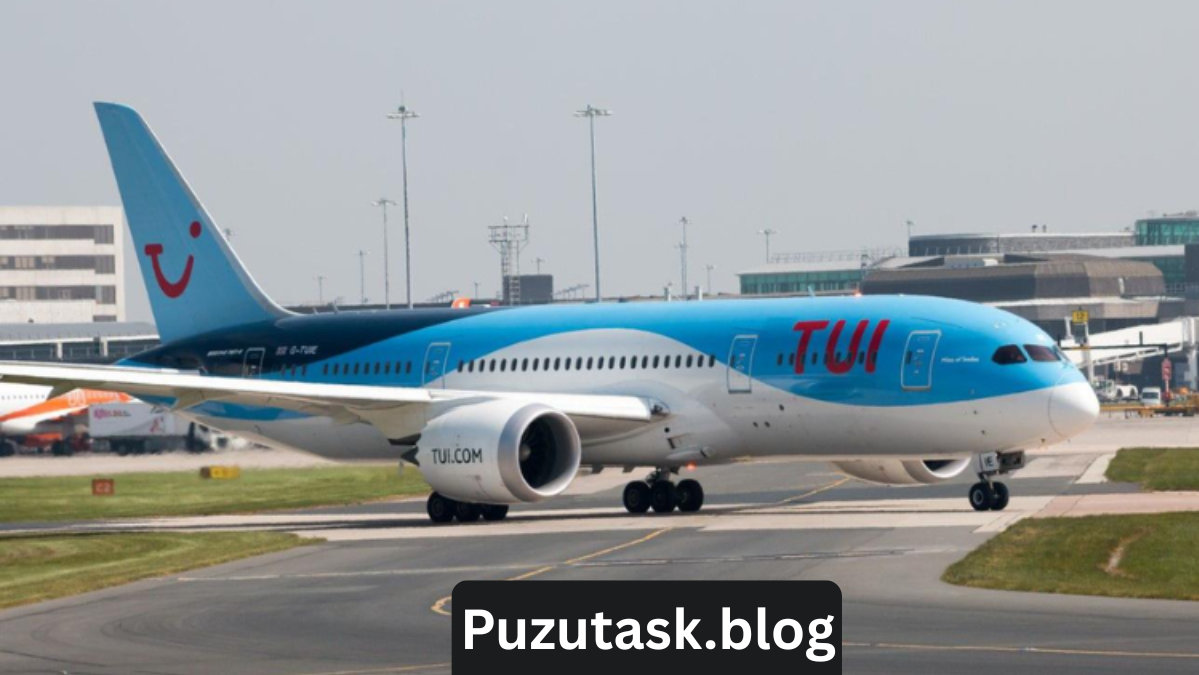
The tui flight by6754 emergency landing became a topic of wide discussion after the aircraft, originally bound for Cyprus, diverted unexpectedly. Rather than completing its journey as planned, this flight made an unscheduled descent that drew attention from passengers, media and aviation specialists alike. The unexpected nature of the event made many travellers curious about what happened and why the decision to divert was taken.
For anyone interested in air travel safety, operations and decision‑making in emergencies, the tui flight by6754 emergency landing offers a real‑world case study. By examining the circumstances that led to the diversion, the crew’s response and the aftermath, we can better understand how such incidents are handled with caution and professionalism.
What Happened During Take‑Off
The tui flight by6754 emergency landing began its journey from a UK airport, heading for a Mediterranean destination. Shortly after take‑off, the aircraft experienced an issue that raised concerns in the cockpit. Passengers onboard began to notice unusual sounds and vibrations, which understandably caused some anxiety among those seated.
At this early stage, the pilots were already assessing the situation. Rather than continuing on a potentially hazardous path, they opted to communicate with air traffic control and consider alternate plans. Their priority was to ensure the safety of everyone onboard, a fundamental principle in aviation that often means choosing caution over completion of schedule.
Why the Flight Declared an Emergency
Aviation crews do not declare emergencies lightly, and the tui flight by6754 emergency landing was no exception. After the initial signs of issue, the flight crew determined that continuing to the original destination was not the safest choice. Declaring an emergency allowed the pilots to gain priority handling from air traffic services and prepare ground teams for their arrival.
The emergency declaration was also a signal to crews on the ground to stand ready with appropriate support. Emergency responses are standard procedure in situations like this, ensuring fire services, medical teams and airport staff are alert and prepared as the flight approaches. This level of readiness helps to reduce risks associated with unexpected landings.
Passenger Experience and Reactions
From the perspective of those onboard, the tui flight by6754 emergency landing was both unexpected and unforgettable. Passengers reported hearing unusual noises and experiencing sensations that were out of the ordinary for a routine flight. Even with professional crew guidance, such moments can be unsettling for travellers unfamiliar with aviation procedures.
Despite the initial worry, many passengers later remarked on the calm and assured manner in which the flight attendants and pilots communicated throughout. Informative updates and clear instructions helped to ease tension and maintain order in the cabin. In addition, the presence of trained cabin crew reassured many that every step was being taken to ensure their well‑being.
How the Landing Was Conducted
The tui flight by6754 emergency landing did not occur at its original destination but instead took place at an alternate airport chosen by the flight crew. This choice was made based on fuel levels, weather conditions and the availability of emergency services. The landing itself went smoothly, with the aircraft touching down safely under controlled conditions.
Emergency vehicles and ground teams were already in place as the plane descended. Their presence is not indicative of an expectation of disaster, but rather a precautionary measure designed to respond instantly if any complications arise. Thanks to the careful coordination between the flight crew and airport staff, the landing was completed without incident and passengers disembarked safely.
Aftermath and Communication
Following the tui flight by6754 emergency landing, TUI representatives and airport officials provided updates to passengers and media. It was clarified that the diversion was precautionary and that safety was always the foremost consideration. In many such cases, pilots choose to divert to ensure no further risk develops if an aircraft exhibits irregular performance.
The company also offered support to travellers whose schedules were disrupted by the unscheduled landing. Accommodation, transfers and reassurance were among the ways in which TUI worked to manage the situation responsibly. These actions demonstrated an awareness that passengers’ travel plans were affected, and help was needed to minimise inconvenience.
Lessons and Aviation Safety
The tui flight by6754 emergency landing serves as a valuable reminder of the depth of planning and precaution involved in commercial aviation. Pilots are trained to handle a wide range of scenarios, and every decision made during the incident reflected that expertise. The choice to prioritise safety over schedule is a core principle that keeps air travel one of the safest modes of transport.
For the travelling public, incidents like this underscore the importance of trusting trained professionals. Although unsettling at the time, such diversions are part of an established safety culture. By responding quickly and effectively, the crew of this flight ensured that potential hazards were mitigated and that all passengers reached a safe outcome.
Final Thoughts on the Incident
In reviewing the tui flight by6754 emergency landing, it is clear that what might first appear as an alarming event was in reality a demonstration of aviation safety protocols working as intended. From the moment the issue was detected to the smooth alternate landing, every step was taken with care and expertise.
Travellers and observers alike can take comfort in knowing that procedures are in place for such situations, and that those procedures are regularly practised and refined. While disruptions to plans are never welcome, the assurance of safety is vital — and that is precisely what the crew delivered during this unexpected diversion.